Do you suffer from peripheral neuropathy? If so, you definitely are not alone. More than 20 million Americans suffer from peripheral neuropathy. If you are experiencing problems because of this condition, you probably wonder what your options are.
Although many people are under the impression that the only way to treat peripheral neuropathy involves invasive surgery or medication, there are actually an array of effective treatment alternatives available. Many of these medication-free non-invasive alternatives have successfully treated and reversed peripheral neuropathy. These treatments can even treat peripheral neuropathy at its source, leading to better health in general.
If you are looking for the best way to treat your peripheral neuropathy without surgery or addictive medication, we encourage you to contact Apex Chiropractic in Louisville, Colorado. Our team can help you evaluate your condition and uncover non-invasive treatment options proven to work. To learn more, contact us today. Or, keep reading to find out how peripheral neuropathy can be treated without surgery or medication.
 About Peripheral Neuropathy, Inflammation, and Nerve Damage
Peripheral neuropathy usually results from damage to the nerves located near your brain and spinal cord. Damage may come from various diseases, inflammation, autoimmune conditions, deficiencies, or injuries. Peripheral neuropathy causes an array of symptoms.
These symptoms include:
- numbness
- pain
- weakness
- twitching
Peripheral neuropathy may even impact your digestive functions, circulation, and urination.
Your peripheral nervous system is responsible for sending information from your brain and through your spinal cord to the rest of your body and nervous system. Your peripheral nerves also send sensory information to your central nervous system. These nerves must be kept in good health for optimal functionality. For this to happen, nutrition, exercise, and circulation are key.
Therefore, any conditions that cause swelling, inflammation, malnutrition, or vitamin deficiencies may eventually lead to peripheral neuropathy. Fluid retention and tumors may also cause or worse than peripheral nervous issues. People suffering from peripheral neuropathy generally described their pain as tingling, burning, or stabbing. Numbness and weakness are also common.
Treating Peripheral Neuropathy Without Surgery or Medication
Many sufferers of peripheral neuropathy wonder what treatment options are available. Can peripheral neuropathy be cured or reversed? Are the symptoms manageable? The answer to both of these questions is a resounding yes. Best of all, many non-invasive treatment alternatives are available to help manage and reverse peripheral neuropathy.
Improving Health and Wellness
First and foremost, treating peripheral neuropathy involves eliminating the problem at its source. Medications treat the symptoms of peripheral neuropathy but do little to help reverse the condition. Surgery may be helpful, but without the treatment of the root cause, peripheral neuropathy is likely to reoccur. As such, the best way to control or reverse peripheral neuropathy involves improving your health and wellness as a whole.
There are a few ways to improve your health and reduce issues from peripheral neuropathy. For one thing, those who smoke should consider quitting right away. Smoking can wreak havoc on an array of bodily systems, including your nervous system. Drinking heavily can also cause or worsen the effects of peripheral neuropathy. If you suffer from an addiction to cigarettes or alcohol, there are many free treatment resources in Colorado.
Many Non-Invasive, Medication-free Treatment Options Are Available for Sufferers of Peripheral Neuropathy
There are many ways to treat and eliminate peripheral neuropathy without surgery or addictive medications. For one thing, improving your daily health and nutrition habits can help you reduce the symptoms of peripheral neuropathy and may even eliminate the condition entirely. Vitamin deficiencies, obesity, or stationary daily habits may lead to or exacerbate peripheral neuropathy. So, exercising, eating well, and improving your range of motion is the first place to start.
Other treatment options include electromagnetic infrared therapy, electrostimulation, advanced nutritional therapy, and chiropractic therapy. At Apex Chiropractic, we have a proprietary treatment approach that encompasses all of these concepts to help you effectively treat and eliminate peripheral neuropathy at its source! We call it the Four Prong Approach.
A Multifaceted Approach to treating Peripheral Neuropathy Non-Invasively
A multifaceted collaboration of proven techniques is the most effective, non-invasive, non-surgical, medication-free approach to treating peripheral neuropathy. At Apex Chiropractic in Colorado, we use a comprehensive approach to help clients get their lives back known as the Four Prong Approach. The Four-Prong Approach has been shown to have a 97% success rate in patients with various levels of neuropathy caused by all kinds of underlying factors.
This method involves four key components:
- Advanced Metabolic Nutrition Therapy
- Electromagnetic Infrared Therapy
- Nerve Stimulation (Not TENS units, they do not work for neuropathy)
- In-Clinic Visits
Can the four-prong approach treat all types of neuropathy?
The causes of peripheral neuropathy can vary. These include autoimmune conditions, diabetes, poor nutrition, compression, stenosis of the spine, and toxin exposure. Fortunately, the four-prong approach tackles peripheral neuropathy at its source. It stops the progression of this condition and allows sufferers to rebuild damaged nerves and return to good health. Thus, this approach can help to treat and reverse peripheral neuropathy, regardless of its cause or source. Once we locate the source problem each and every person’s care will be unique to that source making the neuropathy treatment specific to that individual.
Advanced Nutritional Therapy
Poor nutrition and vitamin deficiencies may lead to or worsen peripheral neuropathy. There are many reasons for this such as inflammation, poor circulation, or blood flow problems. Proper nutrition supports many vital components of your nervous system. For nerve repair to occur, nutrition is key. Vitamin B12, B1, B6, E, and niacin deficiencies have been known to worsen peripheral neuropathy. Additionally, nitric oxide bioavailability is an important factor to consider when dealing with nervous system issues. You can help your nervous system heal by improving your daily nutritional habits.
Electromagnetic Infrared Therapy
Electromagnetic infrared therapy increases blood flow and repairs your nerves using low light technology. This light therapy signals blood vessel growth, or, angiogenesis which is the creation of new blood vessels. New blood vessels are needed to repair nerve damage. As your blood vessels grow back around your peripheral nerves, nutrients and circulation are naturally improved. This technology has been reviewed by 21 independent peer studies. It has a 97% success rate for treating peripheral neuropathy! Apex Chiropractic uses the best equipment available and if we can give one piece of advice, all equipment will not get the job done! The devices we use are backed by clinical studies and perform better than any comparable device in its class.
Electrostimulation
Electrostimulation involves using state-of-the-art electrotherapeutic techniques to assist in the growth and regeneration of nerves. This method is used by the Cancer Centers of America and has been proven to work for a range of conditions. This form of nerve re-education can even be done at home for daily therapy. Disclaimer: This is not a TENS unit. TENS units cannot and will not treat neuropathy. The frequencies TENS units run on can only help muscles on a superficial level, not nerves. Nerve damage needs a special frequency to be treated effectively.
 In-Clinic Visits, Synergy, and Education
To improve wellness and synergy in your daily life, we offer in-clinic visits and online education. You can visit our office once a week for in-clinic protocol and treatment. Then, we provide resources and education so that you can continue improving your health at all times. A majority of our advanced neuropathy treatments can be done on a daily basis right from home.
Let Our Team Help Your Treat Peripheral Neuropathy Naturally
By combining an array of proven methods and helping people better understand the physical body and nervous system, we help clients treat peripheral neuropathy without surgery or medication. Are you ready to begin leading a healthier lifestyle and holistically treat your peripheral neuropathy? Contact our team now for more information or to schedule a consultation. Apex Chiropractic is located in Louisville Colorado and serves Boulder, Broomfield, Frederick, Erie, Louisville, and more.
Call (720) 328-1790 or click here to learn how we can help you now!
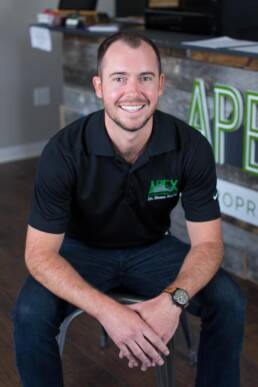
Ready to See the Best Chiropractor in Louisville, CO?
Apex Chiropractic believes in thriving through life, not suffering in it. We believe that the activities that we want to partake in do not only desire but are necessary, just as necessary as our daily activities. In order to thrive in life and not suffer, we have to be completely in tune with our bodies. Schedule your appointment with us, today.
Like this article? Spread the word!
Related Posts

The Potential Mechanism of COVID Vaccine-Induced Peripheral Neuropathy: Numbness and Tingling in the Hands and Feet
Discover the potential mechanism behind COVID vaccine-induced peripheral neuropathy and…

Diabetic Neuropathy: Understanding the Connection Between Diabetes and Nerve Damage and How Chiropractic Care Can Help
Explore the connection between diabetes and nerve damage in our informative blog on…

Guide to Complex Regional Pain Syndrome
Complex regional pain syndrome causes substantial pain that interferes with completing…