


Most chiropractic practices focus on the spinal complaints chiropractic is best known for — neck pain, back pain, headaches, post-accident recovery. Apex Chiropractic offers a broader set of specialty chiropractic treatment programs that go beyond standard chiropractic care, combining our core modalities (the Torque Release Technique, the 3 Part NeuroTECH Exam, spinal decompression therapy, deep tissue massage, and medical-grade light therapy) with condition-specific protocols for specific health concerns.
This page provides an honest overview of each specialty program — what conditions it addresses, what chiropractic care can realistically do for that condition, what requires coordination with other specialists, and where to find more detailed information. Programs are personalized based on initial evaluation rather than delivered as one-size-fits-all packages.
How our specialty programs work
Every specialty program starts with a comprehensive initial evaluation including the 3 Part NeuroTECH Exam, a full medical history, and a clinical assessment specific to the condition you’re seeking care for. Based on what we find, we recommend a personalized program that may combine our core chiropractic modalities with condition-specific protocols. We coordinate with your primary care physician, specialists, and other providers as appropriate — these programs are designed to complement medical care, not replace it.
Knee Pain Program
One of the most common complaints we see in our Louisville office. Most knee pain in active adults isn’t structural disease requiring surgery — it’s biomechanical dysfunction, overuse pattern, or compensation from issues elsewhere in the kinetic chain (hip dysfunction, foot/ankle issues, lower back). Our knee pain program addresses these conservative causes through a combination of TRT adjustments, soft tissue work, red light therapy for pain management, targeted exercise prescription, and the kinetic-chain assessment most isolated knee treatment misses.
For a complete walkthrough of how chiropractic care addresses knee pain — including which presentations need orthopedic evaluation first — see our blog on chiropractic care for knee pain. For the broader joint context and Boulder-area-specific framing, see our joint pain relief guide.
What this program addresses: Patellofemoral pain syndrome (runner’s knee), IT band syndrome, mild to moderate osteoarthritis, post-surgical recovery, biomechanical/compensation patterns, knee pain driven by hip or lower back dysfunction.
What requires other evaluation first: Suspected complete ligament tears (ACL, MCL), meniscus tears causing mechanical locking, severe arthritis with bone-on-bone changes, septic joint, post-traumatic deformity.
Shoulder Pain Program
Shoulder issues accumulate from athletic activity, repetitive overhead work, the cumulative wear of modern desk work, and old injuries that never fully resolved. Common patterns we treat include rotator cuff impingement, frozen shoulder (adhesive capsulitis), labral irritation, and the often-overlooked thoracic spine and cervical contributions to apparent shoulder problems.
The shoulder is one of the joints most commonly affected by kinetic chain dysfunction elsewhere — thoracic spine restriction frequently masquerades as shoulder pain, and shoulder symptoms often involve cervical spine and scapular components most isolated shoulder treatment misses. Our shoulder pain program addresses the full chain rather than just the symptomatic joint.
What this program addresses: Rotator cuff tendinopathy and impingement, frozen shoulder, post-surgical shoulder recovery, thoracic spine contributions to shoulder pain, scapular dysfunction, cervical radiculopathy presenting as shoulder symptoms.
What requires other evaluation first: Complete rotator cuff tears, suspected labral tears causing mechanical instability, fractures, dislocations (acute), septic joint, post-traumatic deformity.
Fibromyalgia Support Program
Fibromyalgia is a complex chronic pain syndrome characterized by widespread musculoskeletal pain, fatigue, sleep disruption, and often cognitive symptoms (“fibro fog”). According to the Mayo Clinic, the underlying mechanisms involve abnormal pain processing in the central nervous system, which is why pure musculoskeletal approaches often fail to provide meaningful relief.
Honest framing: chiropractic care does not cure fibromyalgia. What it can do is provide meaningful support for several of the symptom clusters that affect daily life — nervous system regulation, sleep quality, muscle tension reduction, and management of the joint stiffness and pain that frequently accompanies the condition. For appropriate patients, our fibromyalgia support program combines TRT adjustments, medical-grade light therapy for fibromyalgia, deep tissue massage, and the autonomic-regulation benefits of full spectrum infrared sauna.
This program works best alongside ongoing rheumatology or primary care management of the broader fibromyalgia picture — including medications and other treatments those providers may recommend.
What this program addresses: Symptom management for diagnosed fibromyalgia — pain reduction, sleep support, muscle tension, autonomic regulation, joint stiffness.
What requires other care: Initial fibromyalgia diagnosis (rheumatology), medication management, treatment of comorbid conditions (depression, anxiety, IBS, migraine — though chiropractic can play a supportive role in each).
Thyroid Support Program
The program in Apex’s navigation is listed as “Thyroid Reversal,” but honest framing matters here: chiropractic care cannot reverse thyroid conditions in the way that term suggests. Most hypothyroidism — particularly Hashimoto’s thyroiditis, the most common cause — is an autoimmune condition that typically requires lifelong thyroid hormone replacement managed by an endocrinologist or primary care physician. We don’t replace that medical management; we support it.
What we can address through chiropractic care: the autonomic nervous system dysregulation that frequently accompanies thyroid conditions, the musculoskeletal symptoms (joint pain, muscle aches) that thyroid issues commonly produce, the chronic stress patterns that affect autoimmune disease activity, and the lifestyle factors that influence overall thyroid health. (For more on the broader lifestyle picture, see our take on the 5 pillars of health. For more on chiropractic care for thyroid-related symptoms specifically, see our blog on chiropractic care for thyroid conditions.)
What this program addresses: Autonomic nervous system support, stress regulation, musculoskeletal symptoms associated with thyroid conditions, lifestyle factors that influence thyroid and immune function.
What requires endocrinology or primary care: Thyroid hormone replacement therapy, monitoring of TSH/T3/T4 levels, treatment of the underlying autoimmune process for Hashimoto’s, treatment of hyperthyroidism (Graves’ disease, thyroid nodules, etc.), thyroid cancer evaluation.
Digestive Issues Program
Honest framing again: chiropractic care has a limited but specific evidence base for digestive issues. We’re not gastroenterologists, and we don’t pretend to be. Where chiropractic does provide value: the autonomic nervous system contribution to functional digestive issues, the postural and structural patterns that affect digestion (forward-head posture, thoracic restriction, abdominal wall tension), and the stress regulation that affects gut-brain axis function.
The gut-brain axis is increasingly recognized in mainstream gastroenterology as a real influence on digestive health. The nervous system component of digestion — particularly the vagus nerve, which originates in the brainstem and innervates most of the digestive tract — is something chiropractic care can directly influence. For patients whose digestive symptoms have a strong stress/anxiety/autonomic component, this can produce meaningful improvement as a supportive intervention.
What this program addresses: Functional digestive issues with significant stress or autonomic component, postural and structural contributions to digestive symptoms, gut-brain axis support, IBS symptom management as part of a coordinated approach.
What requires gastroenterology evaluation: Inflammatory bowel disease (Crohn’s, ulcerative colitis), celiac disease, GERD requiring medication, gastroparesis, suspected structural disease, persistent digestive symptoms with red flags (bleeding, unexplained weight loss, severe pain).
Peripheral Neuropathy Program
Our most established specialty program, with dedicated service pages and multiple in-depth blogs. The peripheral neuropathy treatment program combines medical-grade Low-Level Laser Therapy (which stimulates blood vessel formation around damaged nerves through VEGF/angiogenesis), nerve re-education therapy, advanced nutritional support, and customized in-clinic and at-home protocols.
For complete clinical detail, see our content network on peripheral neuropathy:
- How chiropractic treats peripheral neuropathy — the methods overview
- Is diabetic neuropathy reversible? — the diabetes-specific deep dive
- Non-surgical peripheral neuropathy treatment — when surgery is and isn’t appropriate
The peripheral neuropathy program is open to all eligible patients, with a $49 Nerve Screening Special available for new patients evaluating their options. Schedule your $49 Nerve Screening here.
Sports Chiropractic Program
Apex’s sports chiropractic and athlete recovery and performance programs address the specific injury patterns and recovery needs of athletes across all levels — from youth-league players to professional cyclists and competitive runners. Combined modalities include extremity adjustments (Dr. Kurth completed extended sports chiropractic coursework), NormaTech compression therapy, red light therapy, and the broader recovery framework.
For complete detail, see our sports content network:
- 7 ways a sports chiropractor helps with injury — broad benefits
- Chiropractic for sports recovery — mechanism deep dive
- Sports injuries chiropractic actually treats — scope and limits
Advanced Nutrition Therapy
An important distinction: the “advanced nutrition therapy” we provide is nutritional counseling and lifestyle support, not medical nutrition therapy (MNT) in the formal sense. MNT — the practice of treating specific medical conditions through targeted dietary intervention (diabetes management, kidney disease nutrition, oncology nutrition, etc.) — is the scope of Registered Dietitian Nutritionists (RDNs), and patients needing that level of care should work with a qualified RDN.
What we provide: nutritional counseling for general wellness, supplementation review, dietary patterns supporting recovery and chronic pain management, anti-inflammatory eating approaches, and the lifestyle nutritional framework that supports our other treatment programs. For the broader nutritional picture, see our take on the 5 pillars of health.
What this program addresses: General wellness nutritional counseling, supplementation guidance, lifestyle dietary patterns, recovery-supporting nutrition for our other treatment programs.
What requires a Registered Dietitian: Medical nutrition therapy for diagnosed conditions (diabetes, kidney disease, eating disorders, oncology, hepatic disease, etc.), enteral or parenteral nutrition planning, specialized therapeutic diets prescribed for specific medical conditions.
Programs that work together
Patients are frequently in more than one specialty program at a time. Common combinations:
- Knee Pain + Sports Chiropractic for active adults whose knee issues affect their training
- Peripheral Neuropathy + Advanced Nutrition for diabetic patients addressing both blood sugar management and nerve repair
- Fibromyalgia + Thyroid Support + Nutrition for the autoimmune cluster patients
- Auto Injury + Sports Recovery for athletes returning from accidents
We coordinate the programs into a single treatment plan rather than running them as separate isolated tracks.
How to Get Started
The first step for any specialty program is an initial consultation and evaluation. The evaluation:
- Full medical history including the specific condition you’re seeking care for, current medications, prior treatment, and other providers involved in your care
- The 3 Part NeuroTECH Exam for objective baseline measurements of nervous system function
- Physical examination specific to the condition
- On-site digital X-ray imaging when warranted, MRI referral coordination with your physician when soft-tissue imaging is needed
- Honest assessment of whether our program is appropriate for your situation — including referral elsewhere if it isn’t
- Development of a personalized treatment plan with realistic expectations
For the broader walkthrough of what to expect, see what to expect on your first day at Apex.
When Our Specialty Programs Aren’t the Right Starting Point
Honest scope of practice matters. The specialty programs are not appropriate as the primary care path for:
- Medical emergencies — fractures, dislocations, severe acute injuries, suspected stroke, cardiac events, severe head injuries
- Conditions requiring primary specialist management — newly diagnosed cancer, active inflammatory bowel disease, acute thyroid storm, active eating disorders, unstable mental health conditions
- Most pediatric red-flag conditions — these require pediatric medical evaluation first
- Conditions where we don’t have the appropriate expertise — we refer rather than treat outside our scope
When our specialty programs aren’t the right fit, we’ll tell you that during the initial consultation and refer you to providers who can appropriately address your needs.
Frequently Asked Questions
How do these specialty programs differ from regular chiropractic visits?
Standard chiropractic visits typically address acute spinal complaints — adjustments, soft tissue work, follow-up. Specialty programs add condition-specific protocols, longer initial evaluations, multimodal treatment combinations targeted at specific conditions, and longer treatment timelines. They’re designed for chronic or complex conditions that benefit from more than basic chiropractic care.
Do you accept insurance for specialty programs?
Coverage varies significantly by program and insurer. Many insurance plans cover medically necessary chiropractic care; specialty programs that include modalities outside standard chiropractic scope (specific light therapies, certain advanced protocols) may have different coverage. Our front desk verifies your specific benefits before your first visit. We also offer new patient specials for patients trying the practice for the first time.
How long do specialty programs typically run?
It depends on the program and your specific situation. Acute condition programs (auto injury, sports injury recovery) often run weeks to months. Chronic condition programs (peripheral neuropathy, fibromyalgia, chronic pain) typically run months. We provide realistic timeline estimates after the initial evaluation rather than open-ended care plans.
Can I be in multiple programs at once?
Yes, and many patients are. As noted in the callout above, common program combinations work well together (peripheral neuropathy + nutrition, knee pain + sports recovery, etc.). We integrate programs into a single coordinated treatment plan rather than running them separately.
Do I need a referral from my doctor?
No referral is required to schedule a consultation. That said, we strongly encourage coordination with your existing medical team — primary care physicians, endocrinologists, orthopedists, rheumatologists, etc. — for patients with conditions involving multi-provider care. Better outcomes result from coordinated care than from siloed treatment.
What if I’m not sure which program is right for me?
Schedule an initial consultation. The evaluation includes determining which program (or combination of programs) is appropriate for your specific situation. If we don’t think we’re the right fit, we’ll tell you honestly and recommend providers who can better address your needs.
Are there programs you offer that aren’t listed here?
Yes — see our complete services page for the full list. This page focuses on the specialty programs that address specific conditions beyond standard chiropractic care. Other services include auto injury chiropractic, prenatal chiropractic, pediatric chiropractic, natural anxiety and depression support, substance abuse treatment, traumatic brain injury treatment, cancer support, and more.
Ready to Talk About Your Specific Situation?
Each specialty program at Apex is personalized after thorough initial evaluation. If you’ve been dealing with a chronic condition that hasn’t responded to standard care, or you’re looking for a more comprehensive approach to a specific health concern, schedule a consultation. We serve patients across Louisville, Boulder, Lafayette, Erie, Broomfield, Superior, Frederick, and the greater Boulder County and Weld County areas.
Call (720) 328-1790 or contact us to schedule. New to the practice? Take advantage of our new patient specials. For our peripheral neuropathy program specifically, schedule a $49 Nerve Screening.
About the Author
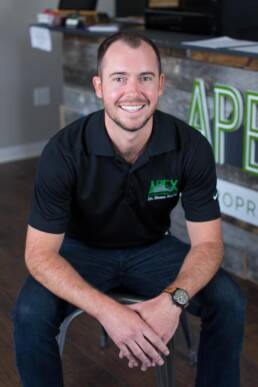
Dr. Shane Kurth, D.C., BCN is the founder of Apex Chiropractic in Louisville, Colorado, and is board-certified in chronic intractable pain and neuropathy. A graduate of Auburn University with a degree in microbiology, Dr. Kurth has built one of Boulder County’s leading chiropractic practices around neurologically-based care using the research-driven Torque Release Technique alongside the multimodal toolkit that supports our specialty programs — medical-grade light therapy, spinal decompression, deep tissue massage, NormaTech compression, full spectrum infrared sauna, and the diagnostic 3 Part NeuroTECH Exam. He has been voted Best Chiropractor in Boulder County for ten consecutive years by the readers of Boulder Weekly.
Dr. Kurth approaches each specialty program as evidence-informed, complementary to medical care, and honest about what each modality can and cannot accomplish. He treats patients across Louisville, Superior, Lafayette, Broomfield, Erie, Frederick, and the greater Boulder area, coordinating with endocrinologists, rheumatologists, gastroenterologists, neurologists, orthopedic surgeons, primary care physicians, and other specialists when patients’ conditions warrant multi-provider care. He is an active member of the International Chiropractic Association (ICA) and the International Federation of Chiropractors & Organizations (IFCO). Learn more about Dr. Kurth →
Ready to See the Best Chiropractor in Louisville, CO?
Apex Chiropractic believes in thriving through life, not suffering in it. We believe that the activities that we want to partake in do not only desire but are necessary, just as necessary as our daily activities. In order to thrive in life and not suffer, we have to be completely in tune with our bodies. Schedule your appointment with us, today.
Like this article? Spread the word!
Related Posts

April 17, 2023
Could The Three T’s Be Causing Abnormal Stress in Your Life?
If you don’t have a firm understanding of why people get sick, then you will never grasp…

December 19, 2022
How Chiropractic Care Can Treat A Traumatic Brain Injury
The nature of the brain makes traumatic brain injuries notoriously difficult to treat…

September 12, 2022
3 Reasons to Choose Chiropractic Care for Thyroid Conditions
Thyroid conditions can cause a multitude of health issues. What you might not realize is…